


Could the Intracept Procedure Be Right for Your Back Pain?
If you’ve been dealing with chronic low back pain, you’ve probably tried a lot already—stretching, medications, physical therapy, maybe even injections. And if you’re here, you might be wondering: Is there something else that could actually fix the root of the problem?
Maybe—and that’s where the Intracept Procedure comes in. But here’s the thing—not all back pain is the same. And this treatment is specifically designed for a very particular type. So instead of asking, “Does this procedure work?” a better question might be: “Is my type of pain the kind this procedure actually treats?” This article, plus a consultation with an iSpine expert, will help you understand if this is an option for you.
Break it down for me: What Is the Intracept Procedure?
The Intracept Procedure is a minimally invasive, outpatient treatment that targets a nerve inside your spine called the basivertebral nerve. This nerve carries pain signals from damaged vertebrae. When the vertebrae become inflamed or irritated, they can send persistent pain signals to your brain.
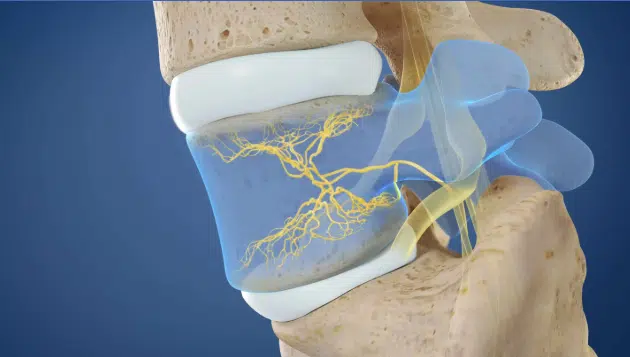
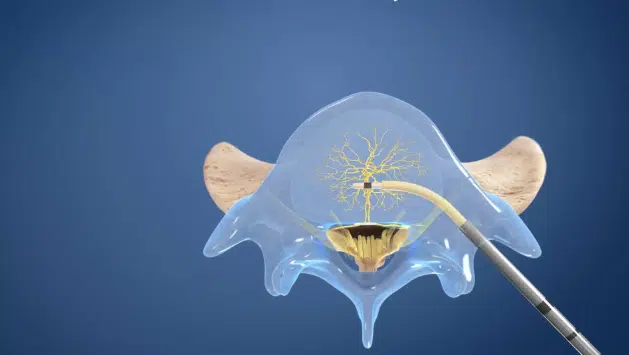
Intracept works by using heat (radiofrequency energy) to disable that nerve, essentially stopping it from sending pain signals. No implants. No hardware. And for many patients, long-term relief. But, this only works if your pain is coming from that specific source.
Does Your Pain Sound Like “Vertebrogenic Pain”?
This is the most important filter. The Intracept Procedure is designed for vertebrogenic pain, which means pain originating from the vertebrae—not tight muscles, not discs bulging into nerves, not achy joints.
Here are some signs your pain might fall into this category:
- Deep, aching pain in the center of your lower back
- Pain that gets worse with sitting, bending forward, or lifting
- Pain that feels more “internal” or from your bones vs. muscular
- Long-standing pain that doesn’t shift around much
Why this matters: vertebrogenic pain is tied to inflammation or damage in the vertebral endplates, which send signals through the basivertebral nerve. If your pain feels more like shooting pain down the leg, sharp nerve zaps, or muscle spasms, this procedure might not be targeting the real issue.
How Long Has This Been Going On?
The Intracept Procedure isn’t for temporary flare-ups. It’s typically intended for people who have had chronic low back pain for at least six months. That timeline matters because acute pain often resolves on its own, while chronic pain suggests a deeper structural or inflammatory issue. If your pain comes and goes or recently started, this probably isn’t your next step yet. But if you’ve been dealing with it for months (or years)… that’s a different story.
Have You Already Tried Non-Invasive Treatments?
Before considering Intracept, most patients have already gone through:
- Physical therapy
- Medications
- Chiropractic care
- Spinal injections
The result? no lasting relief. Intracept is often recommended specifically when these non-surgical options haven’t worked well enough.
What Does Your MRI Show?
To be a strong candidate, your MRI typically needs to show something called Modic changes.
These are specific signs of inflammation or damage in the vertebral endplates—things like inflammation or fatty infiltration of the vertebrae.
No Modic changes? The procedure might not be targeting the right problem. An iSpine Clinician can help you decipher this information and decide on the best next steps.
Are You Hoping to Avoid Major Spine Surgery?
One reason people explore Intracept is that it’s a less invasive alternative to more aggressive procedures like spinal fusion. The procedure:
- Takes about 60–90 minutes
- Is done outpatient (you go home the same day)
- Uses a small incision and image-guided tools
Most people resume normal activity within days, with continued improvement over a few months.
Are There Any Reasons You Might NOT Be a Candidate?
Even if everything above fits, there are still some exclusions to consider. You may not be a candidate if you:
- Are pregnant
- Have an active infection
- Have certain implanted electronic devices (like pacemakers)
- Have significant heart or lung issues
- Are under 18
This is where a conversation with an iSpine clinician is essential—it can help guide you on the right path toward solving your pain, whichever tools you end up using.
If This is For Me, What Kind of Results Are Realistic?
Being completely transparent, the Intracept Procedure doesn’t “fix” everything in your spine. It specifically stops pain signals from one source. It can significantly reduce pain and improve function for the right patients. Other issues, like muscle imbalances, disc herniations, or joint arthritis, will still need to be addressed separately—but you can do that without the current pain slowing down or eliminating your progress altogether.
How Do You Stack Up: A Quick Self-Check
You might be a good candidate if:
- Your pain is chronic (6+ months)
- It feels deep, centered in the lower back
- It worsens with bending, sitting, or lifting
- You’ve tried conservative treatments without lasting relief
- Your MRI shows Modic changes
- You want a minimally invasive option before surgery
If most of those sound like you, it may be worth having a conversation with an iSpine specialist.
If not? That’s helpful information too—it means your pain may have a different source that needs a different solution, and they can take the right steps towards figuring that out! Set up a consultation with an iSpine specialist today!